
AI agents
Assist customers and teams with agents that use your tools and follow defined approval rules.
We help you identify where AI can create value. We build and integrate solutions that automate processes, enhance your products and work with your existing systems.
 Business-first engineering
 Built to integrate
 Data-conscious design
 Human-centered adoption
Tell us what takes up time, holds back growth or what you want to build. We’ll help identify where AI and automation can add value.

Reduce manual document processing, data entry and repetitive tasks. We connect your systems and automate the work between them.
DocumentsCustomer enquiriesData exchange
Enhance your app, platform or online store. Help users find information, choose products and complete tasks more easily.
Smart searchRecommendationsAI assistants
Turn your idea into a working service or internal tool. We help you move from validating the idea to development and launch.
New servicesAI agentsInternal tools
We review your processes, data and systems, assess potential value and implementation complexity, and recommend your first steps.
Process reviewOpportunity assessmentImplementation roadmapLess manual work and lower costs. More opportunities for growth.
Explore the case studiesAnnual savings reported in the book retail customer-support project.
Daily time saved by C-level leadership using the Quantum Drive AI assistant.
Approximate sales manager efficiency improvement in the industrial distribution case.
Reported business margin improvement through AI-driven deal prioritization.
Project-specific figures from the supplied case studies; not general performance guarantees. See the individual cases for context.
From the first use case to development, integration and ongoing support.
Assist customers and teams with agents that use your tools and follow defined approval rules.
Automate repetitive tasks, document processing and approval workflows.

Help your team find answers in company documents, with access based on user permissions.
Build new AI products or add useful AI features to your existing platform.

Connect AI solutions with the systems and data your business already uses.

Extend your team with engineers who build, integrate and maintain AI solutions.
Tell us about your challenge. We’ll help define the next step.
You don’t need to be an AI engineer. That’s our job. We take responsibility for the path from understanding the problem to supporting your solution.
Already know exactly what you need? We can start from the relevant stage.
Understand your business, constraints and goals. We talk to the people who run the process, review your tools and data access, and agree what success looks like.
OutputShared understanding of goals, scope and constraints.
Identify processes and measurable opportunities. We map how work flows today, estimate the time and cost of each task, and rank candidate use cases by value and effort.
OutputPrioritized opportunity list with baseline metrics.
Turn the opportunity into a technical solution and business case. We choose the right approach (AI, conventional automation or both), define architecture, integrations and data handling, and estimate cost and return.
OutputSolution architecture, delivery plan and business case.
Develop and connect the solution with your systems. We build in short iterations, connect to ERP, CRM and internal tools, and test with real data before anything goes live.
OutputWorking solution running in your environment.
Train your people and help the organization adopt the solution. We run hands-on training, document how everything works and stay close during the first weeks while teams change how they work.
OutputTrained team, documentation and a smooth handover.
Measure, support and continuously optimize. We track the metrics agreed in the first step, fix issues, and refine the solution as your processes and data evolve.
OutputRegular performance reporting and a roadmap of improvements.
AI creates value when it reflects the reality of the business — its people, data, operational constraints and customers.

Automate customer enquiries, returns and repetitive operations while improving product discovery.

Connect inventory, supplier data and operational workflows to improve prioritization and planning.

Support knowledge-intensive teams with document intelligence, meeting analysis and internal AI assistants.

Deliver secure AI capabilities integrated into existing systems, identity controls and everyday workflows.
We start with a business objective, use engineering where it adds value, and build solutions for people who actually use them.

Experience building complex software, connected systems and production applications.

We review processes, operating economics and measurable outcomes before recommending an AI solution.

We ask the questions required to understand your business, not just the software requirements.

We aim to build useful, maintainable solutions while respecting people, data and operational realities.
Four examples of AI engineering used to lower operating costs, support management decisions, prioritize profitable deals and build enterprise AI infrastructure.
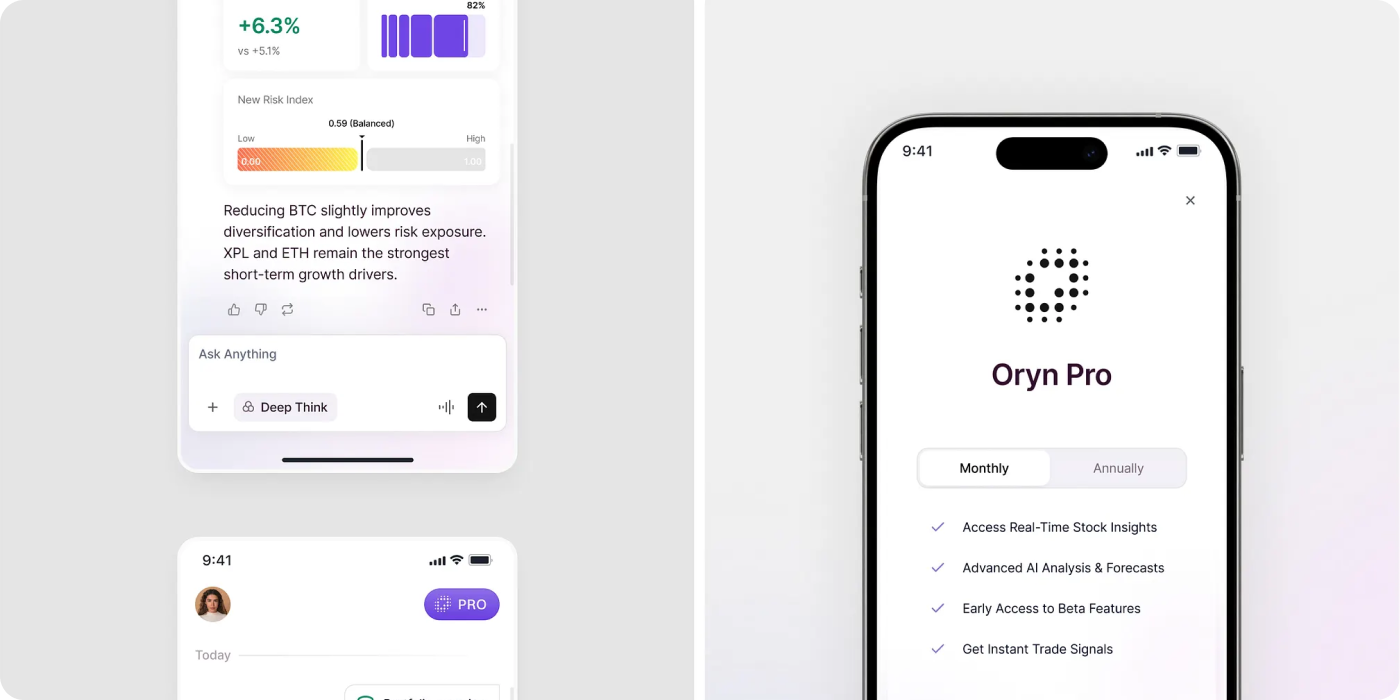 01 / 04
A major book retailer moved routine questions, order assistance and refunds to AI agents, while preserving human phone support.
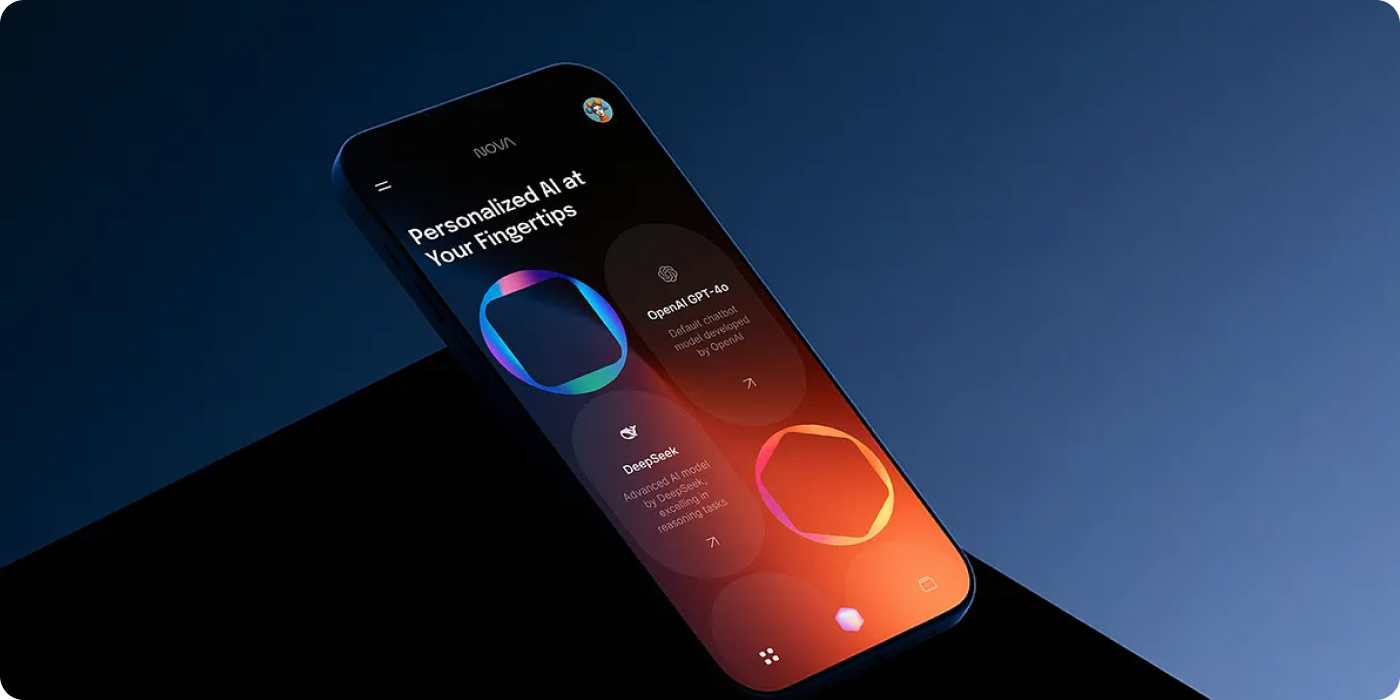 02 / 04
An executive assistant connects leadership with subscription operations, real-time purchase notifications and sales follow-ups.
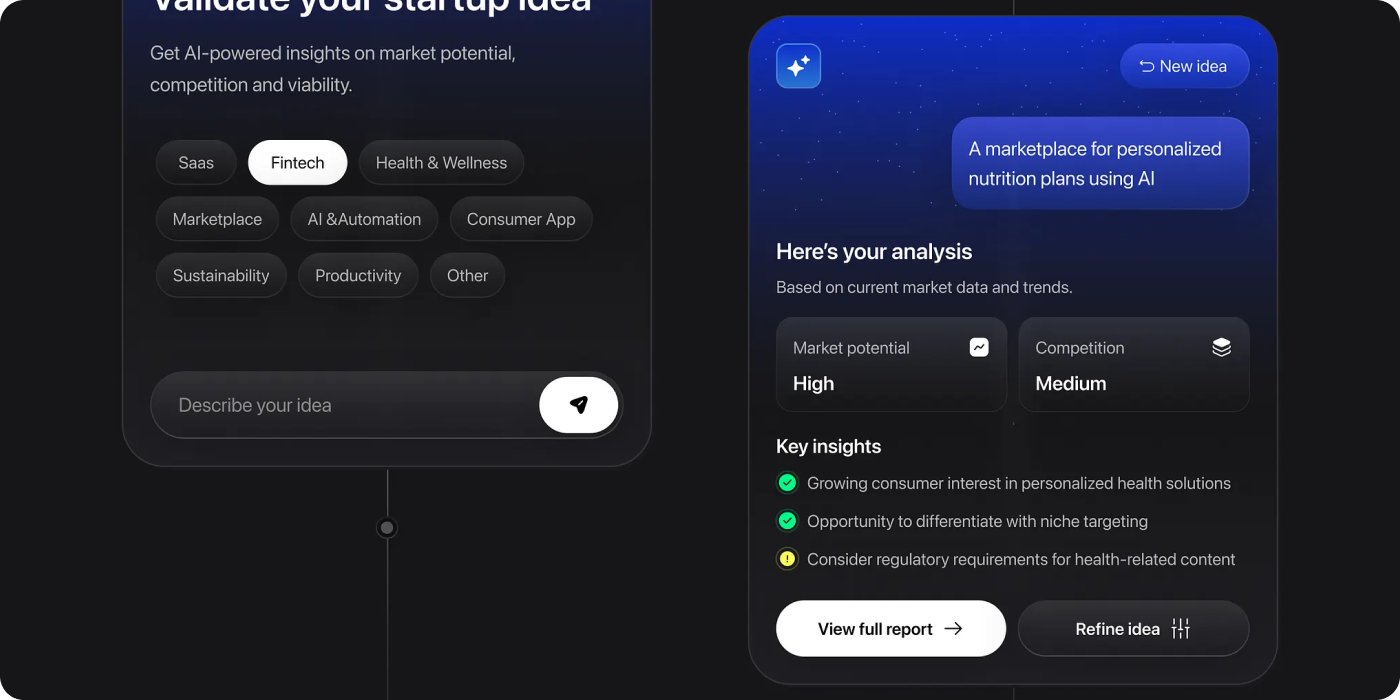 03 / 04
AI assesses inbound inquiries by potential margin, inventory availability and fulfillment feasibility before the sales team starts its day.
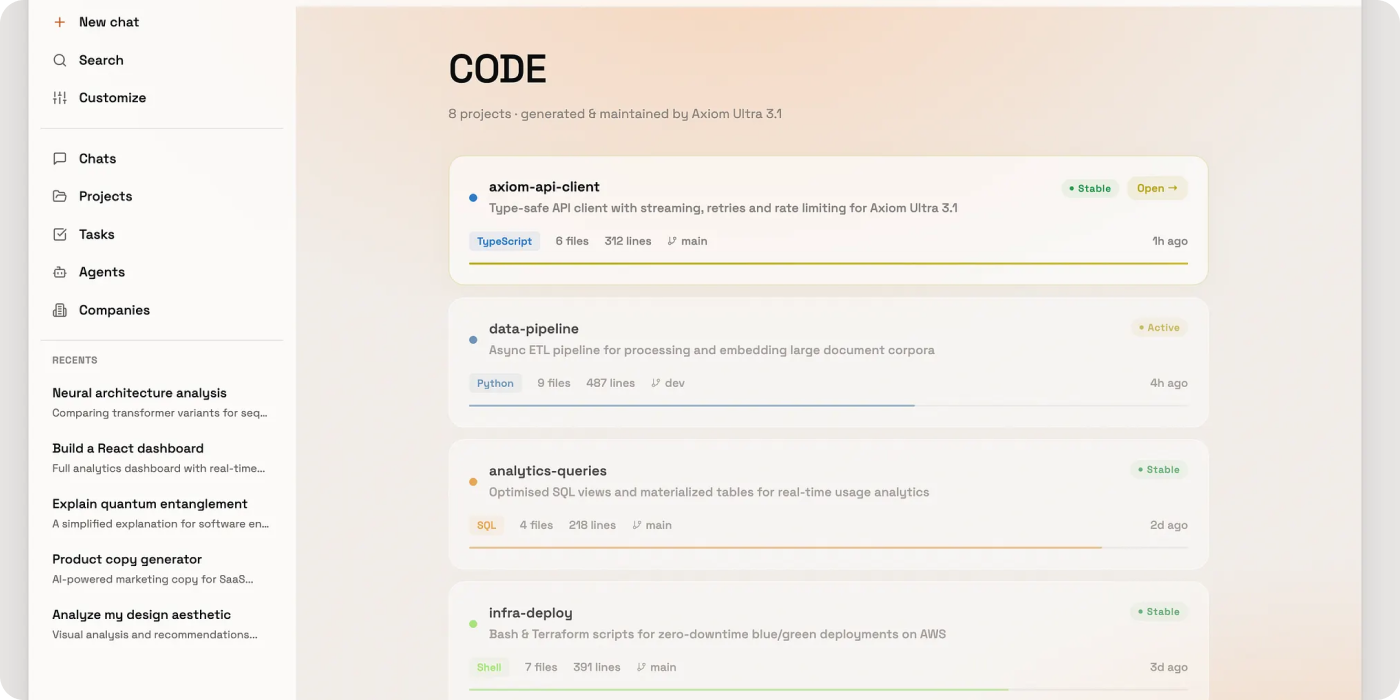 04 / 04
A multi-tenant AI platform with private RAG, no-code agents, corporate knowledge, Microsoft 365 integration and AWS infrastructure.
Images are conceptual illustrations, not screenshots of client systems. Client identifiers and publishing rights remain subject to approval.
A dedicated editorial space for implementation lessons, use cases and the business realities of AI adoption.
How to identify high-value workflows, assess feasibility and plan a first implementation.
Planned article · not yet publishedOperational tools, permissions, approvals and the difference between automation and chat.
Planned article · not yet publishedRetrieval, internal documents, governance and the architecture decisions that matter.
Planned article · not yet publishedStart with what you want to improve. We can help frame the opportunity before you select a technology.
Tell us what you want to improve in your business. We’ll help identify where AI and automation can create measurable value — and determine what is actually worth building.
Prepare a short brief for the Baltic AI team. This preview does not transmit data or connect to a CRM.
A major book retailer moved routine questions, order assistance and refunds to AI agents, while preserving human phone support.
 Concept illustration · not an actual product screenshot
A major book retailer operated a traditional customer support department with 30 employees responsible for handling customer inquiries, order-related issues, refunds, and day-to-day service requests.
As the business grew, so did the volume of customer interactions. Rising staffing costs, delayed response times, and the need to continuously expand the support team created significant operational pressure. Scaling customer service through additional hiring was becoming increasingly expensive and inefficient.
Our engineering team designed and implemented an intelligent AI-powered customer support solution, integrating autonomous AI agents directly into the company's existing business workflows.
The AI agents handle customer inquiries, provide order-related assistance, resolve routine issues, and execute operational tasks — including processing customer refunds, going beyond traditional chatbots that simply answer questions.
The company transitioned most customer support interactions to AI while maintaining access to human representatives when customers prefer personal assistance.
Following implementation, the support department operates with just eight employees: two dedicated AI supervisors and six specialists handling customer phone calls.
The long-term financial impact is particularly significant. As the business continues to expand, the AI-powered support infrastructure can handle increasing volumes of customer interactions without requiring equivalent increases in staffing costs.
This creates the potential for annual cost savings to grow beyond the initial $500,000 as the business scales.
Broader Application: The same AI support architecture can be adapted for international e-commerce businesses, online retailers, service platforms, and enterprises managing high volumes of customer interactions.
An executive assistant connects leadership with subscription operations, real-time purchase notifications and sales follow-ups.
 Concept illustration · not an actual product screenshot
Quantum Drive is an international automotive technology platform offering diagnostic hardware, software, and subscription-based services.
As the business expanded across international markets, managing customer subscriptions, tracking transactions, monitoring regional performance, and coordinating sales and support operations became increasingly complex.
Company executives needed to access information from multiple operational systems, manually review subscription activity, and coordinate follow-up actions with internal teams. These repetitive administrative tasks consumed valuable leadership time that could otherwise be dedicated to strategic growth and decision-making.
Our engineering team developed an intelligent AI-powered executive assistant that combines subscription management, business intelligence, and internal operational communication within a unified interface.
The assistant enables company leadership to retrieve subscription information, activate, deactivate, or renew subscriptions, access operational statistics, and monitor business activity.
It also proactively delivers real-time notifications about new purchases, subscription activations, renewals, and expirations. Each notification provides commercially relevant details, including transaction value, currency, customer country, and payment channel — such as Stripe, Google Play, or Apple's App Store.
Executives can monitor subscription activity across markets including Brazil, Ecuador, Argentina, Indonesia, the United States, and Australia without manually reviewing multiple platforms.
Beyond executive reporting, the AI assistant communicates with the sales and support teams. It routes notifications about customer issues, identifies upcoming subscription expirations, and reminds sales representatives to contact customers regarding renewals and required follow-up actions.
The solution serves as an AI-powered semantic interface, connecting decision-makers with company data and operational workflows through a single intelligent interaction layer.
By bringing operational data, subscription management, and internal communications into one AI-powered interface, the company significantly reduced the time required for routine management activities while improving visibility across its international business operations.
Broader Application: Similar AI executive assistants can be integrated into SaaS platforms, subscription businesses, ERP/CRM environments, and enterprises seeking intelligent operational oversight and automated management workflows. Case Study 03 — AI Sales Prioritization & Profitability Optimization
AI assesses inbound inquiries by potential margin, inventory availability and fulfillment feasibility before the sales team starts its day.
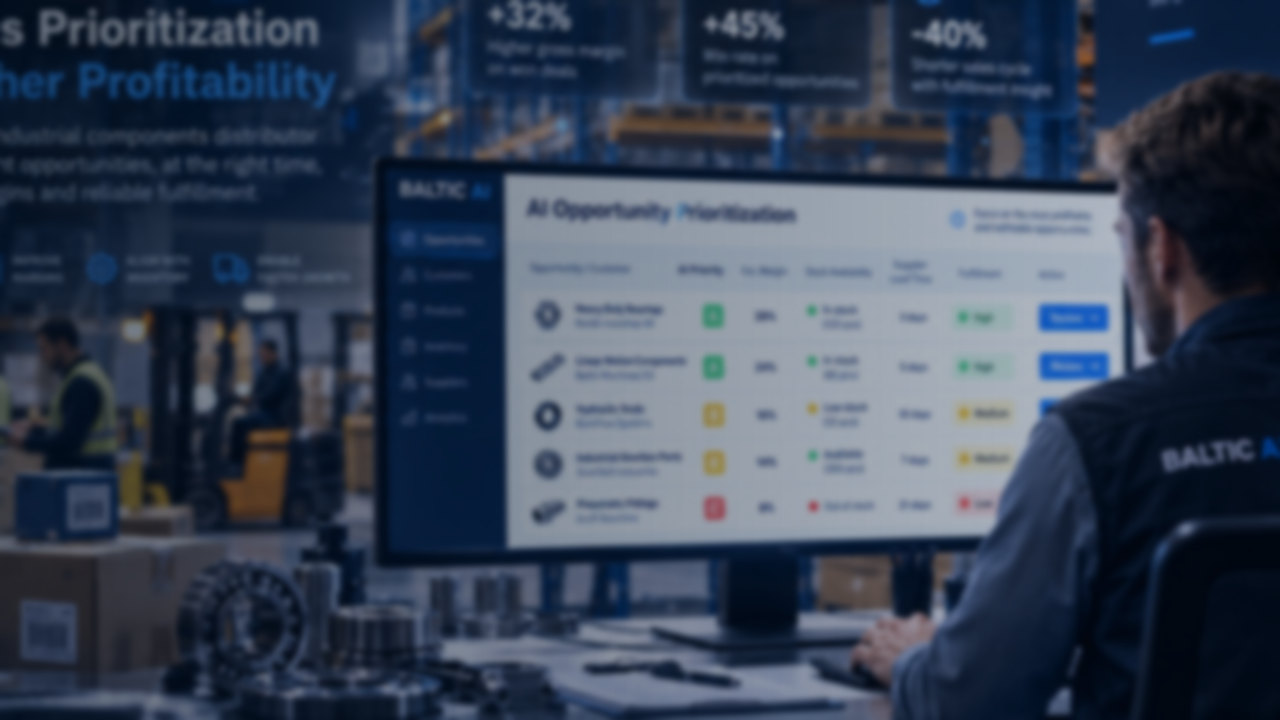 Concept illustration · not an actual product screenshot
A major industrial components distributor received a substantial volume of inbound purchasing inquiries every day. However, not all sales opportunities offered the same commercial value.
Sales managers were required to manually check inventory availability, identify potential suppliers, compare purchasing costs, estimate delivery times, and calculate the expected profitability of each deal before preparing a commercial offer.
This process consumed significant resources. Sales teams frequently spent valuable time evaluating low-margin orders, difficult-to-source components, or transactions with long fulfillment timelines, while more profitable opportunities could remain unattended.
The company needed a more intelligent way to determine which sales inquiries deserved immediate attention and which were unlikely to generate sufficient business value.
Our engineering team developed and integrated an AI-powered sales intelligence solution designed to automatically evaluate and prioritize incoming customer inquiries.
The system analyzes multiple commercial factors, including customer requests, available inventory, supplier sourcing options, component purchasing costs, estimated delivery timelines, and projected deal margins.
Based on this information, the AI generates a dynamic opportunity ranking, identifying transactions with the strongest combination of profitability, component availability, and fulfillment feasibility.
Every morning, sales managers open their laptops to find a prioritized list of commercial opportunities, complete with AI-generated assessments of expected profitability and execution feasibility.
Rather than manually researching every incoming request, the sales team can immediately focus on the deals with the highest potential business impact.
The solution transformed the company's commercial workflow from reactive, first-in-first-out inquiry handling into profitability-driven sales prioritization.
Instead of simply processing more inquiries, the business became better equipped to focus on the opportunities most likely to deliver profitable and achievable outcomes.
Broader Application: This AI-driven approach is particularly relevant for industrial distributors, automotive component suppliers, wholesale businesses, manufacturing companies, and organizations managing complex supply chains.
A multi-tenant AI platform with private RAG, no-code agents, corporate knowledge, Microsoft 365 integration and AWS infrastructure.
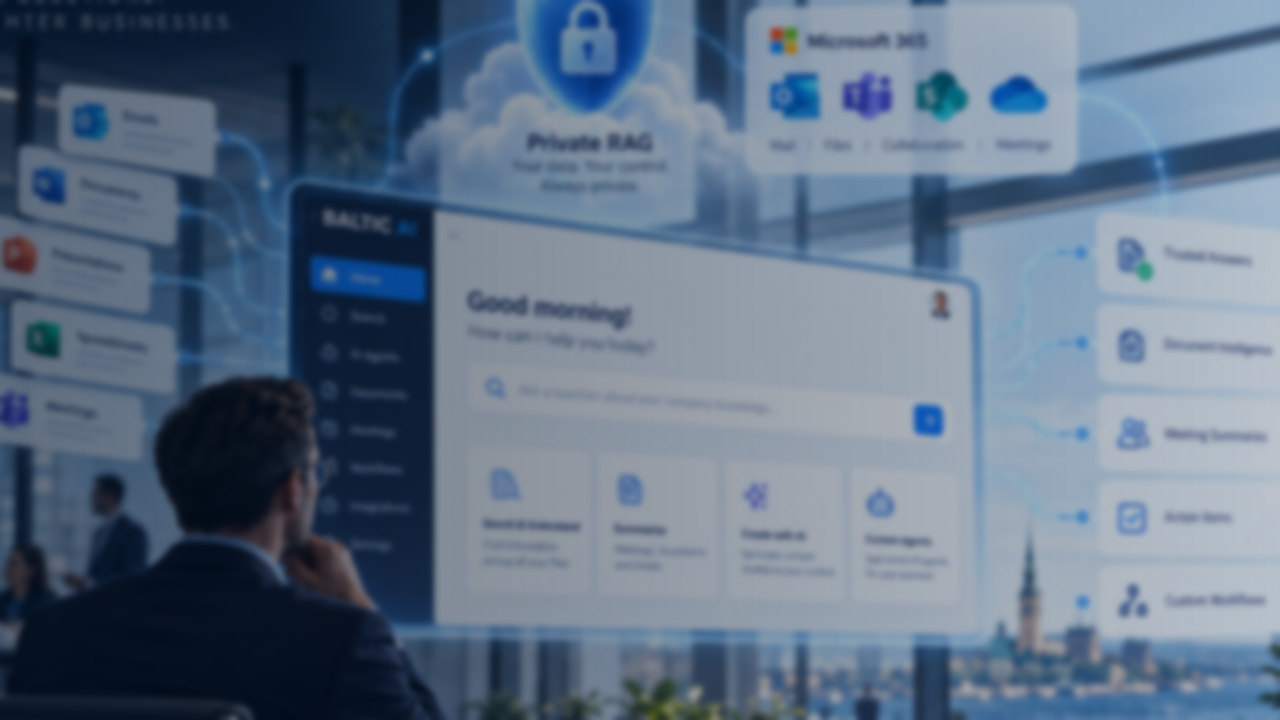 Concept illustration · not an actual product screenshot
Businesses increasingly recognize the potential of generative AI to improve productivity, automate knowledge-intensive work, and give employees faster access to critical information. However, adopting AI within an enterprise environment presents significant challenges, particularly when sensitive corporate documents, internal communications, and confidential business information are involved.
The client needed a comprehensive AI platform that would allow organizations to use generative AI with their internal knowledge while maintaining control over sensitive data. Employees needed reliable answers based on company documentation rather than general internet knowledge, and the ability to create specialized AI assistants without programming skills.
The solution also needed to work within existing business workflows, including email and meetings, rather than becoming another isolated application. Supporting multiple organizations, managing user permissions, and providing flexible deployment options were essential requirements.
The core challenge was to make advanced AI accessible to everyday business users without compromising enterprise data control, flexibility, or integration capabilities.
Our engineering team designed, developed, and deployed a comprehensive, multi-tenant enterprise AI platform from the ground up.
The solution combines private Retrieval-Augmented Generation (RAG), customizable AI agents, corporate knowledge management, Microsoft 365 integrations, and enterprise administration capabilities within a unified interface.
Employees can upload internal documents, organize knowledge collections, create AI agents for different business roles, and interact with corporate information using natural language.
Unlike conventional chatbots, the platform supports AI agents capable of taking actions across connected business applications, including searching and sending Outlook emails and analyzing Microsoft Teams meeting transcripts.
A central architectural requirement was the ability to run AI workloads in a private AWS-based environment, using Amazon Bedrock for model access and local models when fully isolated operation is required. Optional public-provider integrations were also implemented for organizations whose data policies permit them.
The system was designed as a modular platform, enabling the client to extend its capabilities with additional AI models, document formats, tools, and enterprise integrations without rebuilding the core application.
We developed a centralized knowledge management system that allows employees to upload, organize, and manage corporate information for AI-assisted retrieval. Supported document formats include PDF (including image-containing PDFs), DOCX, PPTX, XLSX, CSV, TXT, and Markdown. Application-level file-size restrictions were removed.
Users can organize documents into collections, assign tags and icons, and edit or delete knowledge resources. Document deletion removes the corresponding data from both document storage and the vector database.
An asynchronous indexing pipeline processes uploaded files through document parsing, text splitting into 512-token chunks with overlap, embedding generation, and vector storage in Qdrant.
Users can also attach documents directly to conversations through drag-and-drop, allowing temporary document analysis without permanently adding the files to the corporate knowledge base.
We engineered a dedicated RAG microservice using Python, FastAPI, and Haystack to enable knowledge-grounded search and response generation.
The platform supports multiple AI execution modes:
An abstraction layer based on the Strategy design pattern allows the LLM provider to be changed through configuration.
AI-generated answers include source citations, along with indicators showing which knowledge resources and AI agent contributed to the response.
This approach gives employees access to relevant company knowledge while helping organizations maintain visibility into the sources used to generate answers.
We developed an AI agent configuration interface that allows business users to create specialized assistants without writing code.
Organizations can configure agents for different business functions, including legal work, sales, analysis, and internal operations.
Each agent can be configured with:
Agents support tagging, filtering, editing, and deletion.
The conversational architecture follows a modular processing pipeline: agent configuration, knowledge injection, integration tools, LLM execution, and conversation history storage.
Users can work through standard chat, knowledge-based chat, or agent-assisted chat, including combinations of these modes.
Through LLM tool calling, agents can determine when to access connected email functions, meeting search tools, or corporate knowledge resources.
To connect AI capabilities with everyday business operations, we integrated the platform with Microsoft 365 through Microsoft Graph API.
The Outlook integration enables users to read, search, and send emails directly through AI-assisted conversations. Email searches can use criteria such as sender, subject, and date.
The Microsoft Teams integration provides access to recent meetings and their available transcripts.
Integrations can be authorized through OAuth 2.0 at either the individual user or organization administrator level. Users and administrators can disconnect integrations, and each integration supports dedicated instructions governing its behavior.
The integration architecture was implemented through separate modular packages, making it possible to extend the platform with additional business systems using the same integration pattern.
We developed a dedicated processing pipeline for Microsoft Teams meeting transcripts.
The pipeline parses and normalizes transcripts, separates content by speaker, divides conversations into token-aware chunks, and prepares the content for semantic retrieval.
AI agents can search meeting discussions, retrieve time-specific excerpts, access meeting information, and generate summaries.
For longer meetings, the system uses a map-reduce summarization approach: transcripts are divided into segments, individual summaries are generated, and the results are combined into a consolidated overview.
Users can specify the required summary format, focus, and language.
This enables teams to retrieve information from previous discussions without manually reviewing entire meeting transcripts.
The platform was developed to support multiple organizations within a shared application environment.
Enterprise management capabilities include organization management, role-based access control (RBAC), email invitations, administrative interfaces, and AI request logging.
Authentication uses JWT-based mechanisms with refresh tokens. Administrative workflows support user deactivation, secure deletion of users and associated data, and safeguards against deleting roles that remain assigned to users.
AI responses support readable Markdown formatting, including tables and lists, providing a structured interface for business users.
The solution combines enterprise application engineering, modern AI infrastructure, and cloud-native deployment technologies.
| Technology layer | Technologies used |
|---|---|
| Backend | PHP 8.4, Laravel 12, Sanctum / JWT, Spatie Permission, SQS / Redis Queues |
| AI / RAG Services | Python, FastAPI, Haystack 2, Qdrant, PyMuPDF, python-docx, python-pptx, openpyxl, tiktoken |
| LLMs & Embeddings | Anthropic Claude via AWS Bedrock, Amazon Titan Embeddings, Ollama, OpenAI API |
| Frontend | React 19, TypeScript, Vite, Tailwind CSS 4, Radix UI / shadcn, Zustand, React Router, Feature-Sliced Design |
| Enterprise Integrations | Microsoft Graph API, Outlook, Microsoft Teams, OAuth 2.0 |
| Data & Storage | PostgreSQL, Redis, Qdrant, Amazon S3 |
| Cloud Infrastructure | AWS ECS Fargate, RDS, ElastiCache, S3, SQS, SES, EFS, Application Load Balancer, CloudFront, AWS WAF |
| Infrastructure as Code | AWS CDK, TypeScript, Docker |
| CI/CD & Monitoring | Bitbucket Pipelines, Sentry |
| Code Quality | PHPStan / Larastan, Laravel Pint, ESLint |
The platform was deployed on AWS using an infrastructure-as-code approach implemented with AWS CDK and TypeScript.
Its cloud infrastructure includes a VPC and containerized services running on ECS Fargate, covering the backend, frontend, queue worker, scheduler, RAG service, and Qdrant vector database.
Supporting infrastructure includes Amazon RDS PostgreSQL, ElastiCache Redis, S3 object storage, SQS queues, SES email services, and Amazon EFS for persistent Qdrant storage with snapshots.
Application delivery and protection components include an Application Load Balancer, CloudFront, and AWS WAF with rate limiting.
Bitbucket Pipelines automate Docker image builds and the deployment of individual services to ECS, with separate staging and production environments.
Sentry provides application monitoring. For local engineering workflows, Docker Compose can start the complete application stack, including Qdrant and Ollama.
The architecture separates the core business application, AI processing, document indexing, integrations, and infrastructure components, supporting maintainability and future extensibility.
The project delivered a production-ready enterprise AI platform approximately four months after the first code commit.
The engineering delivery involved more than 400 code commits, 170 pull requests, and 30 tracked backlog tasks, reflecting the scope of the application and infrastructure work.
The resulting platform provides several business capabilities:
Organizations can use generative AI with internal corporate knowledge through a private AWS-based deployment, with local model options for isolated environments. Public AI-provider integrations remain optional.
Employees can search corporate documents, retrieve contextual information, and analyze meeting content through conversational interfaces, reducing the manual effort required to locate and work with information.
AI agents extend beyond document-based questions to interact with Outlook, Microsoft Teams, and connected business functions.
Employees without programming expertise can configure specialized agents for their responsibilities, reducing dependence on developers for routine agent setup.
Multi-tenant organization management, role-based permissions, authentication, administration tools, and activity logs provide the foundation for controlled organizational deployment.
The modular architecture supports additional LLM providers, document formats, AI capabilities, and enterprise integrations without requiring the core platform to be rebuilt.
A complex B2B AI platform progressed from initial development to a production deployment in approximately four months.
This project demonstrates how businesses can move beyond standalone AI chatbots toward integrated enterprise AI platforms that combine corporate knowledge, intelligent agents, business applications, and controlled AI infrastructure.
By connecting generative AI with existing documents, communications, and workflows, the solution creates a foundation for broader AI adoption across multiple departments and organizations.
Broader Application: The same architectural approach can be adapted for professional services, legal teams, financial operations, enterprise knowledge management, internal business assistants, and organizations requiring customizable AI solutions with controlled data processing. Enterprise AI should do more than answer questions. It should securely connect knowledge, people, and business workflows in one practical solution.
Enterprise AI should do more than answer questions. It should securely connect knowledge, people, and business workflows in one practical solution.